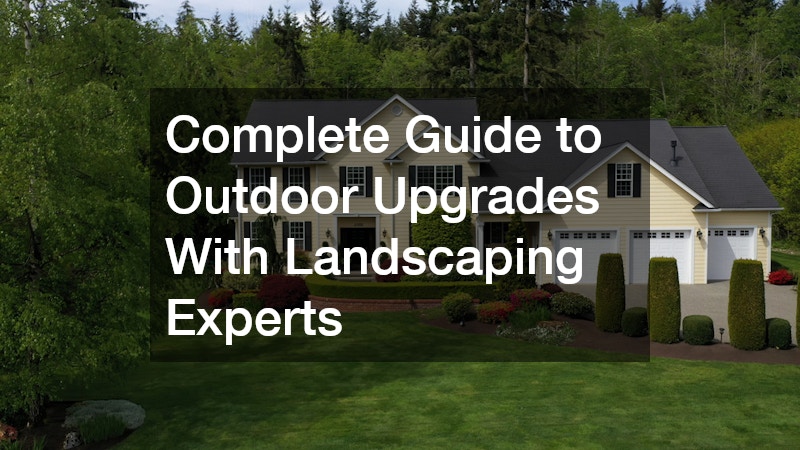
Outdoor living spaces have become one of the most valuable extensions of a modern home. Homeowners are no longer satisfied with basic lawns or simple patios; instead, they are investing in fully functional environments designed for relaxation, entertainment, and long-term property value. From structured gathering spaces to low-maintenance surfaces and durable driveways, outdoor upgrades require careful planning and a clear understanding of how each component works together.
Successful transformations don’t happen by chance. They rely on thoughtful design, the right materials, and professional execution at every stage. Whether you’re starting from scratch or improving an existing yard, the key is to approach the project as a system rather than a collection of separate improvements.
This guide breaks down each stage of the process so homeowners can make informed decisions, avoid costly mistakes, and create outdoor spaces that are both beautiful and built to last.
Creating a Functional Outdoor Vision and Layout

When beginning any outdoor project, the first step is developing a clear vision for how the space will be used. Many homeowners rush into material selection before understanding how the space should function, which often leads to inefficient layouts and wasted investment.
Thoughtful landscaping plays a critical role in shaping how outdoor areas feel and operate. It helps define pathways, seating areas, planting zones, and open spaces in a way that feels natural and cohesive. A well-designed layout considers movement patterns, sunlight exposure, privacy needs, and drainage flow.
Working with a backyard designer can significantly elevate this process. Instead of guessing proportions or placements, a professional evaluates the property holistically.
Key benefits of professional design input include:
- Improved spatial flow between indoor and outdoor areas
- Strategic placement of entertainment and relaxation zones
- Better integration of natural terrain and elevation changes
- Reduced risk of drainage or erosion problems
- More efficient use of available square footage
A backyard designer also helps homeowners prioritize features based on budget and long-term goals. For example, instead of installing multiple disconnected features, they may recommend phasing improvements to allow the space to evolve cohesively over time.
Additional planning tips:
- Start with functional zones before aesthetic details
- Consider future additions like pools, pergolas, or fire pits
- Use scaled sketches or digital mockups before construction
- Plan for lighting and electrical needs early in the process
A well-planned layout ensures that every future upgrade builds on a strong foundation rather than requiring costly redesigns later.
Selecting and Sourcing Essential Base Materials
Once a layout is finalized, the next step is sourcing foundational materials that will support the entire project. Many outdoor failures are traced back to poor-quality base materials or inconsistent supply chains.
A dependable sand supplier ensures that projects receive consistent, properly graded material suitable for structural and leveling applications. Quality control is especially important in outdoor construction because even small inconsistencies can affect compaction and drainage.
Different types of sand serve different purposes:
- Bedding sand for pavers and stone leveling
- Fill sand for grading uneven surfaces
- Joint sand for stabilizing hardscape gaps
- Drainage sand for improving water movement
Understanding these differences helps homeowners avoid using the wrong material in critical areas.
Sand itself is one of the most versatile and essential components in outdoor construction. It supports stability beneath patios, improves drainage around foundations, and helps create smooth, even surfaces for installation. However, improper storage or contamination can compromise its performance.
Best practices when handling sand:
- Keep material covered to prevent moisture overload
- Store on elevated surfaces to avoid ground contamination
- Order slightly more than calculated to account for compaction
- Avoid mixing different grades unless specified by a contractor
Working with a reputable supplier reduces delays and ensures consistency throughout the project. It also minimizes the risk of mismatched batches that can affect leveling and structural integrity.
Building Durable Hardscape Features with Quality Materials
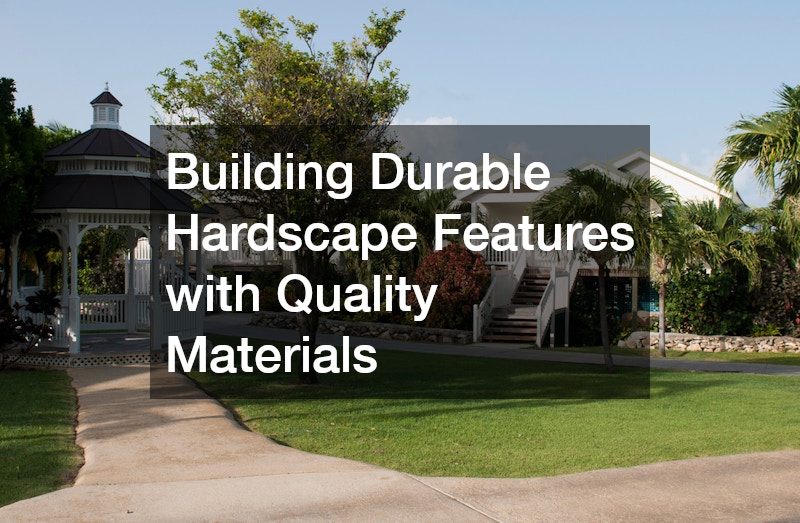
Hardscape elements define the structure and visual appeal of outdoor living spaces. Patios, walkways, retaining walls, and seating areas all rely on durable materials and precise installation techniques.
Natural stone remains one of the most popular choices due to its durability, texture variation, and timeless appearance. Each piece is unique, which allows for highly customized designs that feel organic rather than manufactured. It also performs well under varying weather conditions when installed correctly.
A reliable paver supplier plays an essential role in ensuring material consistency. When pavers are sourced from reputable providers, homeowners benefit from uniform sizing, color matching, and structural reliability.
Design and installation considerations:
- Mix stone sizes for a more natural visual flow
- Use contrasting colors to define walking paths
- Ensure proper edge restraints to prevent shifting
- Incorporate drainage gaps to avoid water pooling
- Match materials with the surrounding architectural style
Natural stone and manufactured pavers can also be combined for layered visual interest. For example, stone borders around paver patios can create a more refined and structured look.
Installation quality is just as important as material selection. Even premium materials will fail if the base is not properly prepared or if spacing is inconsistent. This is why careful planning and professional execution are critical for long-term performance.
Driveway Construction and Structural Surfacing
Driveways are one of the most heavily used surfaces on any property, making durability and installation quality essential. Poorly constructed driveways can lead to cracking, drainage issues, and costly repairs.
Hiring an experienced paving company ensures that grading, base preparation, and compaction are handled correctly from the beginning. Professionals assess soil conditions and traffic load requirements before recommending a design approach.
The asphalt paving process typically includes:
- Excavation and grading of the site
- Installation of a compacted gravel base
- Application and leveling of asphalt layers
- Final compaction for smooth surface finishing
Proper slope design is critical to prevent water accumulation, which is one of the leading causes of asphalt deterioration. Even minor errors in grading can shorten the lifespan of the surface significantly.
Homeowners should also consider:
- Expected vehicle weight and frequency of use
- Climate conditions such as freeze-thaw cycles
- Edge support to prevent crumbling
- Accessibility for maintenance and repairs
A well-constructed driveway not only improves functionality but also enhances curb appeal and overall property value. It serves as both a practical and aesthetic feature that ties the entire exterior together. Additionally, a durable driveway can withstand the elements and regular use, minimizing maintenance costs over time. Choosing the right materials and design can further elevate the look of your home, creating a lasting first impression for visitors and potential buyers alike.
Modern Lawn Alternatives and Low-Maintenance Solutions

Traditional grass lawns require significant maintenance, including mowing, watering, fertilizing, and seasonal care. As homeowners look for more sustainable and low-maintenance options, synthetic alternatives have become increasingly popular.
Artificial turf flooring offers a consistent, clean appearance without the ongoing upkeep required by natural grass. It is particularly useful in high-traffic areas, shaded yards, or regions with water restrictions.
Key advantages include:
- Minimal maintenance requirements year-round
- No watering or fertilization needed
- Consistent appearance regardless of weather
- Durable surface for pets and children
- Reduced long-term landscaping costs
Installation requires careful preparation of the base layer to ensure proper drainage. Without adequate drainage systems, water can accumulate beneath the surface, leading to odor or unevenness over time.
Homeowners should also consider:
- Turf density and fiber softness for comfort
- UV resistance to prevent fading
- Heat retention in direct sunlight
- Edge sealing to prevent lifting or shifting
Artificial turf can be combined with natural landscaping features such as stone borders or garden beds to create a balanced and visually appealing outdoor environment. This combination not only enhances the aesthetic of the space but also provides practical benefits, such as reduced maintenance and water usage. By integrating vibrant plants and natural textures, you can create a lively atmosphere that invites both relaxation and outdoor activities.
Protecting and Extending Outdoor Surface Lifespan
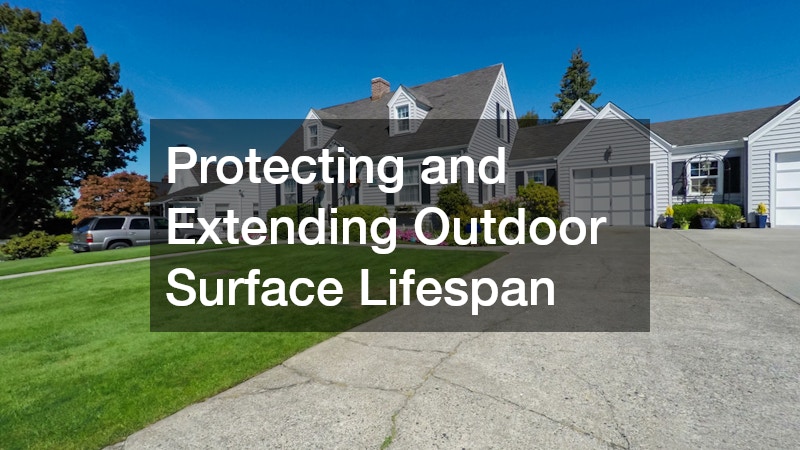
Once outdoor upgrades are complete, ongoing maintenance becomes essential for preserving both appearance and structural integrity. Many homeowners underestimate how quickly exposure to sun, rain, temperature swings, and daily use can degrade outdoor surfaces. Even high-quality installations begin to show wear if they are not actively maintained, especially in high-traffic areas like driveways, walkways, and patios. Preventative care is far more cost-effective than major repairs, and it significantly extends the usable life of outdoor investments.
Sealcoating services are one of the most effective ways to protect paved surfaces from weather damage, oxidation, and surface wear. This protective layer acts as a barrier that helps prevent water from seeping into small surface openings, where it can expand and contract with temperature changes. Over time, this process is what leads to cracking and structural breakdown in untreated surfaces. A properly applied sealcoat also helps shield asphalt from harmful UV exposure, which can dry out binders in the material and cause it to become brittle. In addition, it improves surface flexibility, allowing it to better withstand seasonal expansion and contraction.
Beyond structural protection, sealcoating services also play a major role in maintaining visual appeal. A freshly sealed surface has a darker, more uniform appearance that helps improve curb appeal and makes the entire property look well-maintained. This is especially important for homeowners planning to sell, as well-kept driveways and paved areas often create a strong first impression.
Regular maintenance and inspection ensure that small issues are addressed before they evolve into costly structural problems. Below are the most important ongoing practices for protecting paved surfaces.
Reapply Protective Coatings on a Regular Schedule
Reapplying protective coatings is one of the most important steps in long-term surface preservation. Over time, exposure to sunlight, rain, vehicle traffic, and temperature fluctuations gradually wears down the protective layer.
- Sealants naturally degrade with UV exposure and must be refreshed periodically
- Regular reapplication helps maintain a strong barrier against moisture penetration
- Timing depends on usage level, weather conditions, and surface age
- Heavily used driveways may require more frequent attention than low-traffic areas
- Consistent scheduling prevents surfaces from reaching a vulnerable, unprotected state
Staying ahead of the deterioration cycle ensures that the surface remains protected rather than requiring reactive repairs.
Keep Surfaces Free of Standing Water and Debris
Standing water and debris accumulation are two of the most common causes of premature surface failure. When moisture is allowed to linger, it slowly penetrates small openings and weakens the base material beneath.
- Standing water accelerates erosion and increases the likelihood of cracking
- Leaves, dirt, and organic debris trap moisture against the surface
- Blocked drainage paths can cause repeated pooling in the same areas
- Debris buildup can also stain surfaces and reduce visual appeal
- Regular clearing helps maintain both structural integrity and appearance
Ensuring proper drainage and routine cleanup significantly reduces long-term damage and extends the lifespan of paved areas.
Repair Minor Cracks Before They Expand
Small cracks may appear harmless at first, but they are often the earliest warning sign of deeper structural issues. If left untreated, they can widen and allow water to penetrate the base layer.
- Crack sealing prevents water from entering and weakening the foundation
- Early repairs stop freeze-thaw cycles from expanding surface damage
- Small repairs are significantly more cost-effective than resurfacing
- Prompt attention helps preserve the stability of the surrounding material
- Regular inspections make it easier to identify issues early
Addressing minor damage quickly is one of the most effective ways to avoid large-scale repairs later.
Avoid Heavy Loads on Vulnerable Areas During Extreme Temperatures
Temperature changes significantly affect the strength and flexibility of paved surfaces. Asphalt in particular becomes softer in extreme heat and more brittle in cold conditions.
- Hot weather can cause temporary surface softening under heavy weight
- Cold temperatures increase the risk of cracking under pressure
- Heavy vehicles or equipment can create indentations or stress fractures
- Seasonal awareness helps prevent avoidable surface damage
- Spreading out loads reduces concentrated pressure on weak points
Being mindful of weather conditions helps protect surfaces during their most vulnerable periods.
Consistent maintenance ensures that outdoor investments remain functional and visually appealing for many years, while also reducing long-term repair costs and preserving the structural strength of paved surfaces.
Conclusion
Outdoor upgrades require more than just selecting attractive materials—they demand thoughtful planning, professional execution, and ongoing care. When each phase of the process is approached strategically, homeowners can create outdoor environments that are both functional and visually cohesive.
By focusing on layout design, material quality, structural integrity, and long-term maintenance, it becomes possible to build outdoor spaces that significantly enhance daily living and property value.