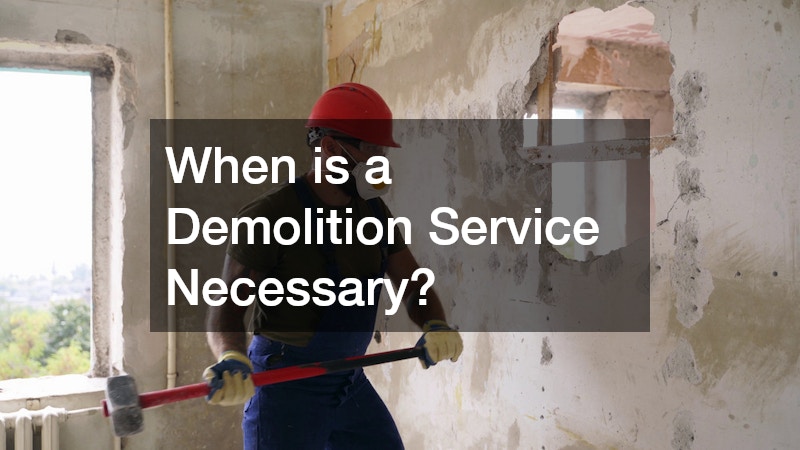
Demolition, often considered the destructive counterpart to construction, plays a pivotal role in urban development and architectural management. Determining when a demolition service is necessary involves evaluating the structural, environmental, and economic factors that dictate the longevity of a building or structure. Understanding the necessity of demolition services can aid property owners, developers, and city planners in making informed decisions about the built environment.
Structural Instability and Safety Concerns
Buildings are intended to stand the test of time, but not all structures age gracefully. Over the years, natural wear and tear, along with environmental factors such as earthquakes, floods, and storms, can compromise a building’s structural integrity. When a structure becomes visibly unstable, with cracks, leaning walls, or sagging roofs, opting for a demolition service becomes essential to ensure safety. The risk of collapse poses a significant hazard to inhabitants and nearby pedestrians, warranting a preemptive demolition to mitigate potential disasters.
In many cities, buildings categorized as structurally unsound or unsafe are not just a threat to human safety but also to the surrounding infrastructure. A compromised structural integrity could lead to a domino effect, endangering neighboring buildings and utility systems. In these cases, demolition helps preemptively manage and contain damage, allowing for the space to potentially be repurposed for safer and more sustainable constructions. While legal measures and city ordinances often mandate the demolition of unsafe structures, the process must be approached with a clear understanding of the structural deficiencies involved.
Furthermore, historical structures, though rich in heritage, sometimes face similar dilemmas due to their age. In instances where a structure’s historic value doesn’t translate into safe usability, a careful demolition service can help prevent risks. However, this often necessitates collaborations with historical preservation societies to ensure that portions of cultural and historical significance are preserved or commemorated responsibly. The delicate balance between preserving historical value and guaranteeing public safety underscores the rationale for timely demolition services.
Economic Redevelopment and Urban Planning
Economic redevelopment often prompts the necessity for demolition services as neighborhoods evolve and the demand for modern amenities grows. In urban areas, land is a premium asset, and outdated structures can hinder economic growth by taking up valuable space that could otherwise support new, profitable developments. Demolition services offer a practical solution by clearing these outdated structures, thereby opening the area to new commercial, residential, or mixed-use projects that align with current economic needs. This not only revitalizes neighborhoods but also potentially increases property values across the board.
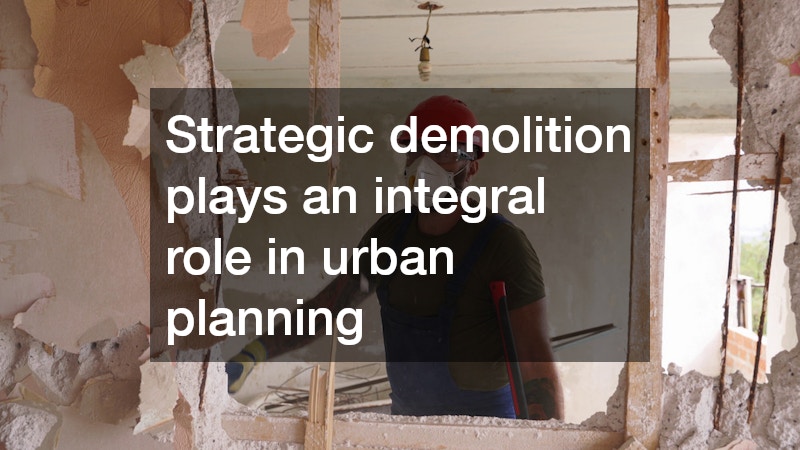
In addition to accommodating new developments, strategic demolition plays an integral role in urban planning, where it is used to address issues like overcrowding and non-functional land use. Removing obsolete buildings can help streamline city layouts, create green spaces, and improve traffic flow, making urban areas more livable. The need for a demolition service in these scenarios is often part of a larger plan, encompassing rezoning efforts or large-scale master plans that aim to enhance the quality of life for residents while supporting sustainable growth.
On the economic front, the cost-benefit analysis of maintaining an old structure versus demolishing and rebuilding anew is crucial. Often, outdated infrastructure incurs more cost due to high maintenance and low energy efficiency, prompting city officials and private owners alike to opt for an eco-friendly demolition approach. In this context, demolition becomes a necessary investment toward a more economically viable and sustainable future, aligning with modern standards of energy efficiency and environmental responsibility.
Environmental Factors and Green Building Priorities
With growing awareness about environmental conservation, the role of demolition services has expanded beyond merely tearing down old structures. Today, sustainable demolition practices prioritize minimizing environmental impact by recycling materials and reducing waste. Green demolition, also known as deconstruction, seeks to salvage reusable materials such as wood, brick, and metal. This approach not only conserves resources but also reduces the environmental footprint of construction projects. Furthermore, as cities aim for eco-friendliness, buildings that do not meet new environmental standards may require demolition to make way for green alternatives.
The emphasis on sustainability has led to the emergence of eco-friendly demolition services that incorporate advanced technology to ensure minimal disruption to the environment. These services employ specialized techniques to safely dismantle structures, segment waste for efficient recycling, and carefully manage hazardous materials. The necessity for such demolition services comes in response to both regulatory pressures and a collective societal demand for cleaner, sustainable urban landscapes. Moreover, through ecological site assessments, these demolition services often reveal the hidden environmental costs of maintaining outdated structures, hence reinforcing the case for demolition as a means to achieve sustainability goals.
Demolition as part of a broader environmental planning strategy becomes crucial in tackling issues like brownfield redevelopment. By clearing contaminated land of toxic buildings, demolition services help transform these sites into usable public or private spaces while adhering to rigorous cleanup standards. This not only benefits the public by improving health and safety standards but also serves as a catalyst for environmental restoration projects. Ultimately, when a structure’s continued existence poses greater environmental harm than the consequences of its removal, employing a demolition service becomes an urgent environmental remedy.