Roof inspections are a vital part of home maintenance that can prevent future headaches and substantial costs. The integrity of a building greatly depends on the condition of its roof, making scheduled inspections crucial. Roofers play an essential role in this process, utilizing their specialized skills and knowledge to ensure that a roof is secure and in optimal condition. Through regular inspections, roofers can identify minor issues before they escalate into more significant problems, saving homeowners from costly repairs.
Furthermore, well-maintained roofs contribute to the value of a property, preserving its marketability and safety.
What is Included in a Standard Roof Inspection?
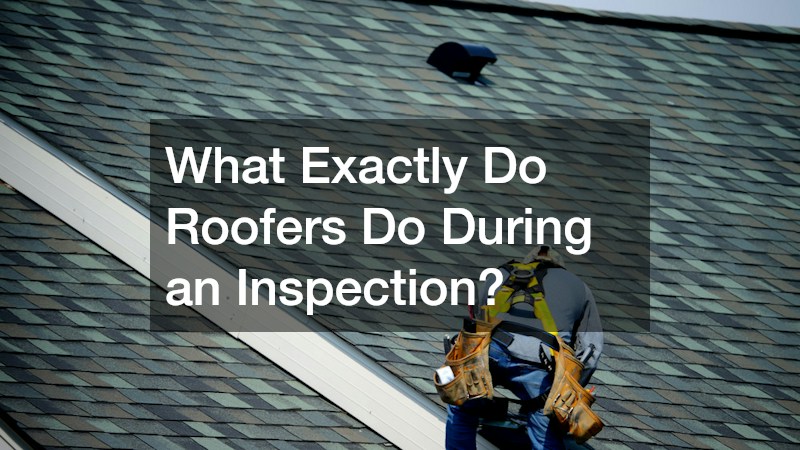
A standard roof inspection covers a comprehensive evaluation of all roof components, including shingles, flashings, and gutters. Roofers meticulously examine the condition of shingles, checking for any signs of damage such as curling, cracking, or missing pieces. Flashings, located at critical junctions such as chimneys and skylights, are assessed to ensure they are properly sealed and functioning to prevent water penetration. Gutters and downspouts are also inspected for blockages and proper water flow, which are essential to prevent water damage to a building’s foundation. In addition to these, the structural integrity of the roof is evaluated to detect any potential weaknesses.
Beyond the physical components, roofers also assess a roof’s underlying materials and deck, ensuring they are dry and free of rot or mold. Roofers look for any signs of moisture infiltration, which can quickly lead to structural damage if left unaddressed. Insulation is another key area checked to ensure energy efficiency and comfort within the building. Inspectors also verify the roof’s ventilation system, which is critical for maintaining indoor air quality and prolonging the roof’s lifespan. By examining these various elements, roofers provide a thorough analysis of a roof’s condition, ensuring comprehensive evaluations.
The inspection process often involves the use of advanced tools and technology, such as infrared cameras, to detect hidden issues like moisture under the surface. These tools allow roofers to identify problems that are not visible to the naked eye, ensuring a more accurate assessment. Experienced roofers have the expertise to interpret data collected from these technologies and provide recommendations for necessary repairs or maintenance. Regular inspections and proactive maintenance enable homeowners to address issues before they develop into major problems. Consequently, standard roof inspections are foundational in safeguarding a building’s roofing system, indirectly protecting the occupants and the structure itself.
Why Are Roof Inspections Necessary?
Roof inspections are necessary to ensure the safety and longevity of a building. Without regular inspections, unnoticed issues such as small leaks can develop into significant damage, compromising the structural integrity of the entire building. Regular inspections can prevent this by catching potential problems early, allowing for timely intervention and saving on repair costs. Additionally, well-maintained roofs are more energy-efficient, reducing energy bills by maintaining optimal temperature control. Therefore, frequent inspections contribute not only to safety and maintenance but also result in economic benefits for homeowners.
Moreover, conducting regular roof inspections is essential for insurance purposes. Many insurance policies require evidence of regular maintenance to provide coverage for damage. By adhering to a schedule of regular inspections, homeowners can ensure their claims are not denied due to negligence. Inspections also help in documenting the roof’s condition over time, providing valuable information that can be leveraged in future insurance claims. Thus, regular roof inspections act as a safeguard for homeowners, protecting them from financial risks associated with roof damage.
Finally, scheduled inspections are key in preserving the aesthetic and resale value of a property. A well-maintained roof enhances curb appeal, which is crucial when selling property. Potential buyers are more inclined to purchase a home with a certified healthy roof, making inspections an important factor in the real estate market. Besides financial gains, ensuring a roof is in good condition provides peace of mind, knowing that maintenance responsibilities have been thoroughly met. Consequently, regular inspections secure both the present and future value of a property, making them integral to property management.
How Often Should Roof Inspections Be Carried Out?
The frequency of roof inspections typically depends on the age and type of roof, as well as environmental factors. Most experts recommend having an inspection conducted at least once a year, with the early detection of issues being a crucial factor in roof maintenance. For older roofs, or those made from materials susceptible to faster wear, bi-annual inspections may be necessary. Harsh weather conditions or recent severe storms might also necessitate more frequent inspections to ensure no immediate damage has occurred. Regular inspections enable homeowners to comply with maintenance recommendations, avoid costly repairs, and extend the roof’s lifespan.
Beyond individual homeowners, commercial buildings often adhere to more stringent inspection schedules to comply with safety regulations and standards. Commercial roof inspections might occur quarterly, given the larger surface area and complexity involved in commercial roofing systems. Regular monitoring allows facility managers to effectively plan for maintenance and budget for necessary repairs, optimizing operational costs. These practices ensure that buildings remain safe for occupancy and operations continue with minimal disruption. Ultimately, the scheduling of roof inspections should be tailored to meet the unique needs of each structure while adhering to industry best practices.
Homeowners should also anticipate scheduling a roof inspection immediately after significant weather events, as storms can cause unseen damage that quickly worsens. Even minor issues can escalate rapidly if not addressed, so timely inspections are advisable following hail, high winds, or heavy snowfall. Roofs in areas with significant temperature variations or high humidity may also require more frequent inspections. Working with professional roofers can help establish a customized inspection schedule specific to a home’s needs and geographical location. These proactive measures ensure roofs remain in peak condition, providing durable protection throughout their lifespan.
Signs That Indicate a Roof Inspection is Needed
There are several telltale signs that indicate the need for a roof inspection, many of which can signal serious underlying issues. Any visible damage, such as missing or damaged shingles, requires immediate attention to prevent water infiltration and further deterioration. The presence of dark stains or streaks on a roof surface often indicates algae or moss growth, which can compromise the integrity of roofing materials. Furthermore, if one notices leaks or water stains inside the building, it’s crucial to schedule an inspection to identify the source and prevent additional damage. These signs are clear indicators that a professional assessment should be conducted as soon as possible.
Age is another critical factor, as older roofs, typically those nearing their 20-year mark, should be inspected more frequently to detect any aging-related deterioration. As roofs are constantly exposed to environmental elements, over time, they naturally wear out and weaken. Regular inspections of older roofs help in identifying wear and tear that might not yet be visible but could lead to significant issues. Additionally, if a roof has experienced significant weather events, inspections are necessary to uncover hidden damage. Consistent monitoring allows for preventative maintenance, ensuring the roof can withstand future conditions.
Sudden changes in energy bills can also be a sign that a roof inspection might be needed. If energy costs rise without explanation, it could indicate poor insulation or ventilation in the roofing system. These issues can lead to heat escaping in the winter or cool air in the summer, causing HVAC systems to work harder. Roofers can pinpoint the areas where heat loss or moisture problems are reducing energy efficiency, offering solutions for improvement. Prompt attention to these signs through an inspection can optimize a home’s functionality and maintain its comfort.
What Tools and Techniques Do Roofers Utilize?
Roofers employ a range of specialized tools and techniques to conduct thorough inspections, ensuring each aspect of a roof is evaluated. One of the most critical tools in a roofer’s arsenal is the moisture meter, which helps in detecting water’s presence in roofing materials. Infrared cameras are also commonly used to identify moisture buildup and insulation efficiency, offering a non-invasive method to uncover potential issues below the surface. By utilizing these advanced technologies, roofers can ensure that problem areas are addressed before they escalate into larger concerns, thus safeguarding the overall health of the roofing system. These tools are vital to a comprehensive inspection process.
Drone technology has also become increasingly popular, providing a bird’s eye view of the roof, especially in hard-to-reach areas. This method allows for a safer and more efficient inspection, capturing detailed images and videos that enable roofers to assess the rooftop’s condition without putting themselves at risk. Drones are particularly useful for large or complex roofs that require a broader vantage point than a typical ladder inspection. The aerial perspective offered by drones ensures no aspect of the roof is overlooked, contributing to a comprehensive assessment. Innovations in roofing technology continue to enhance inspection accuracy and safety.
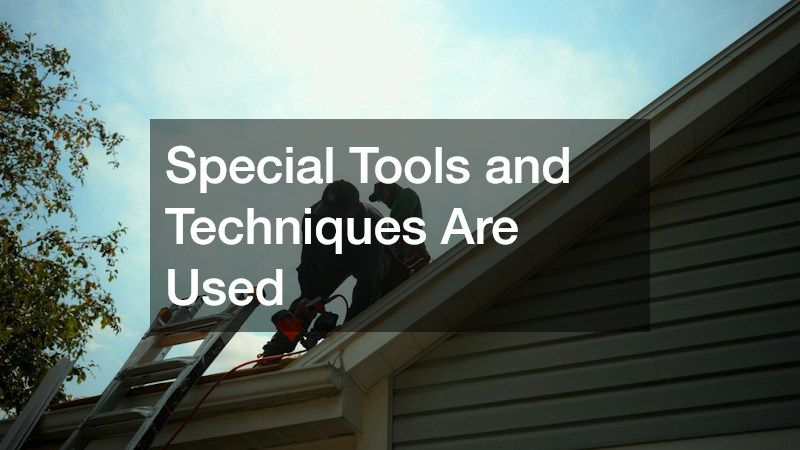
Hand tools remain essential, with items like roofing hammers, pry bars, and sealant guns being utilized for minor repairs during the inspection. These tools enable roofers to quickly address immediate issues uncovered during the inspection process, such as sealing a loose shingle or fixing minor flashing problems. The ability to make on-the-spot repairs can prevent further damage and provide a temporary solution until more extensive maintenance can be scheduled. Roofers also carry safety equipment to protect themselves during inspections, such as harnesses and helmets. By combining traditional tools with modern technology, roofers ensure a thorough and effective inspection.
In conclusion, roof inspections are a vital component of property maintenance, providing essential insights into the health and longevity of a building’s roofing system. Regular inspections help identify potential problems early, saving homeowners from costly repairs and ensuring the continued safety of their homes. By employing advanced tools and professional expertise, roofers deliver comprehensive evaluations that fortify property value and enhance energy efficiency. Staying proactive with roof maintenance can safeguard against weather-related damage and structural compromises, ultimately preserving the integrity of the entire building. Consequently, investing in regular roof inspections is not just prudent, but essential for responsible homeownership and property management.