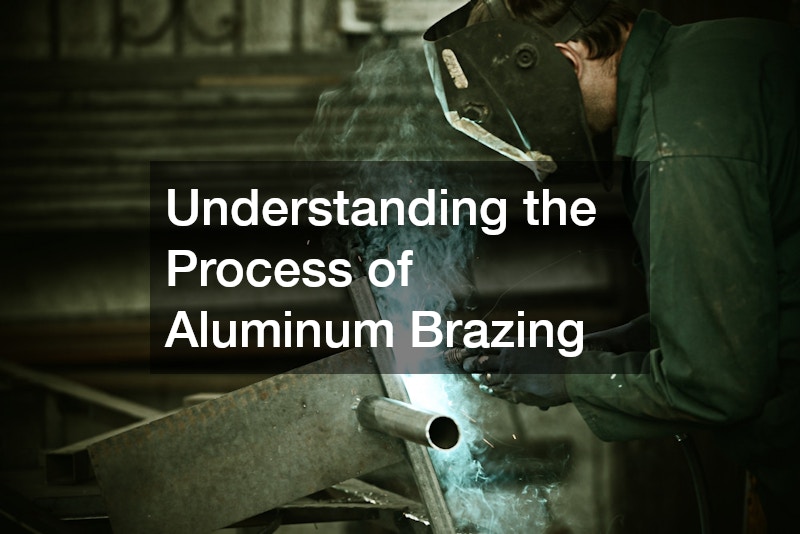
Aluminum brazing is a critical process in various industrial applications, serving as a cornerstone in the production of high-quality metal joints. This technique bridges the gap between intricate engineering requirements and efficient metal assembly, offering a balanced amalgamation of strength and flexibility. Through this article, we delve deeper into the intricate world of aluminum brazing, unpacking its significance and operational principles.
What is Aluminum Brazing?
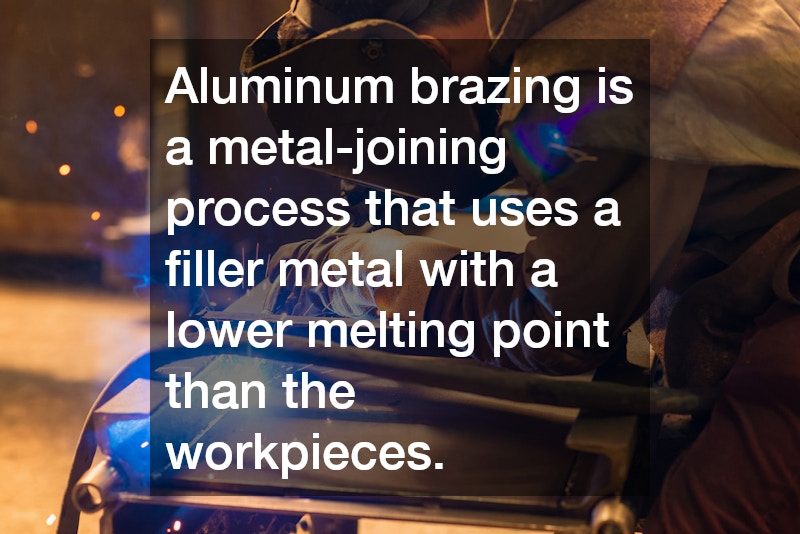
Aluminum brazing is a metal-joining process that uses a filler metal with a lower melting point than the workpieces. Unlike welding which melts the base metals, brazing preserves the integrity of aluminum parts, ensuring the joint is strong yet lightweight. This process outshines soldering by operating at higher temperatures, allowing it to create more durable bonds suited for demanding applications.
In aluminum brazing, the filler metal is heated above its melting point and distributed between close-fitting parts by capillary action. When the filler metal cools, it solidifies to form a strong joint. It’s this capillary action, combined with the precise selection of filler materials, that differentiates aluminum brazing from other techniques like welding and soldering.
The advantages of aluminum brazing over other metal-joining methods include its proficiency in joining thin-walled tubes or complex assemblies with minimal distortion. This feature is especially critical in industries where precision and lightweight components are essential. Moreover, the technique offers an economical solution in mass production settings, significantly enhancing operational efficiency.
How Does the Aluminum Brazing Process Work?
The aluminum brazing process begins with the meticulous preparation of the workpieces to ensure clean, oxide-free surfaces essential for effective bonding. Once prepared, the components are aligned closely with a precise gap for the filler metal to fill. The assembly is then heated uniformly until the filler metal melts and is drawn into the joint by capillary action, followed by controlled cooling to solidify the bond.
During heating, maintaining uniform temperature is crucial to avoid warping or distortion of the components, particularly when dealing with thin aluminum sheets or complex assemblies. The cooling phase should be carefully managed to prevent any residual stress within the joint, ensuring its long-term durability. Factors such as filler metal composition and joint design significantly influence the quality of the final bond.
Aluminum brazing requires precise control over every aspect of the process, from initial preparation to final cooling. The choice of heating method, whether it be torch, furnace, or induction, depends on the application’s specific requirements. Consistent practice and adherence to established procedures ensure successful aluminum brazing, producing reliable joints suitable for demanding industrial applications.
Effective aluminum brazing requires specific tools and equipment, including torches, flux, and protective gear. The choice of torch—whether gas or electric—impacts the efficiency and quality of the brazing process. Flux is essential for cleaning and safeguarding the metal surfaces from oxidation, enhancing the flow and adhesion of the filler metal.
Protective gear is critical for ensuring safety during brazing, with goggles, gloves, and aprons being standard equipment. In addition to basic tools, specialized equipment such as fixtures and clamps assist in maintaining part alignment during heating. The use of a clean and organized workspace is also crucial, as contamination can adversely affect joint quality.
Investing in high-quality tools and equipment can significantly improve the outcomes of the aluminum brazing process. Regular maintenance and calibration of equipment are essential to ensure consistent performance. Understanding the function and proper use of each tool fosters an efficient and safe brazing environment, necessary for achieving optimal results.
What Are the Advantages and Disadvantages of Aluminum Brazing?
One of the primary advantages of aluminum brazing is its ability to create strong, lightweight joints suitable for a variety of applications. This characteristic makes it particularly appealing in industries where weight reduction is as crucial as mechanical integrity. Additionally, aluminum brazing is an economical option for mass production, combining efficiency with cost-effectiveness.
The process is versatile, able to join dissimilar metals and complex configurations with minimal distortion. This versatility supports a wide range of design possibilities, accommodating the intricate requirements of modern engineering projects. Furthermore, the technique’s ability to function with minimal specialized tooling enhances its appeal in resource-limited environments.
Aluminum brazing provides excellent joint aesthetics compared to other methods, offering smooth, clean finishes that require little post-processing. This advantage reduces overall production time and cost, further enhancing its suitability for large-scale manufacturing. These benefits together underscore the unique strengths of aluminum brazing as a preferred method for joining metals.
A potential disadvantage of aluminum brazing is the need for skilled operators to ensure optimal joint quality and integrity. The process requires a nuanced understanding of various factors, including temperature control, material compatibility, and joint design. Inadequate skill or experience may result in subpar joints, compromising structural performance.
Challenges such as residual stress and vulnerability to high-temperature service environments can limit the application of aluminum brazed joints. The joints may exhibit weaknesses when exposed to thermal expansion or contraction cycles, potentially affecting long-term reliability. Additionally, the presence of flux residues may require additional cleaning steps, adding to post-production costs.
When to Choose Aluminum Brazing
Choosing aluminum brazing as a joining method depends on several factors, including the material type, joint design, and application environment. It is particularly advantageous for joining thin-walled aluminum components used in heat exchangers and radiators. Its application is optimal in situations where weight reduction and joint aesthetics are prioritized.
The decision also involves assessing the cost-efficiency and scalability of the brazing process for high-volume production. Aluminum brazing is well-suited for projects that require fast production cycles without compromising joint strength or quality. However, careful consideration of environmental factors such as temperature fluctuations is essential to ensure long-term joint reliability.
Ultimately, aluminum brazing is the preferred choice when its advantages align with the specific needs of a project. By evaluating the unique characteristics and constraints of each application, manufacturers can determine the most effective joining method. Whether for its lightweight, durable bonds or economic advantages, aluminum brazing remains a critical option in the metal joining arsenal.