
If you’ve ever renovated even a single room, you know how quickly things can spiral. Now imagine coordinating a roofer, electrician, plumber, flooring installer, painter, and maybe a few specialty pros—all working in the same space, often at the same time. It’s no wonder so many homeowners describe renovations as overwhelming.
Managing multiple trades is complex. One crew can’t start until another finishes. Materials arrive late. A small mistake early on can ripple through the entire timeline. When coordination falls apart, you end up with delays, unexpected costs, and work that has to be redone. That’s when stress replaces excitement.
The good news is that chaos isn’t inevitable. With a clear strategy, realistic scheduling, and thoughtful communication, you can turn a multi-contractor renovation into a controlled, efficient process. This guide walks you through exactly how to plan, organize, and oversee multiple professionals so your project moves forward smoothly—and your home improvement goals stay intact.
By the end, you’ll understand how to build a master timeline, reduce scheduling conflicts, protect completed work, and keep everyone accountable without becoming a full-time construction manager.
Creating Your Master Project Timeline

A successful renovation starts long before the first tool hits your driveway. It begins with sequencing.
Think of your renovation as a chain of dominoes. Each piece must fall in the right order. If one is out of place, everything else shifts.
Start by listing every major phase of your project. For a whole-home renovation, that might include:
- Demolition
- Structural changes
- Plumbing and electrical rough-ins
- Insulation and drywall
- Exterior work
- Flooring and cabinetry
- Final fixtures and paint
From there, identify dependencies. For example, excavation must be completed before foundation or structural additions begin. You cannot safely install roofing until framing is inspected and approved. Exterior envelope work should typically precede delicate interior finishes to avoid damage from weather exposure.
This sequencing isn’t arbitrary—it protects both quality and budget.
If your project includes significant excavation for an addition or landscaping overhaul, that heavy equipment should be scheduled early. There’s nothing worse than newly poured concrete or fresh sod being torn up because underground utility lines still need attention.
Similarly, roofing should be completed before interior insulation, and drywall is finalized. Even a minor leak during a storm can undo thousands of dollars of interior work.
As you build your timeline:
- Break phases into weeks, not vague ”sometime in March” estimates.
- Add buffer time—at least 10-15%—for weather, inspections, and material delays.
- Confirm each contractor’s realistic availability before locking dates.
Digital tools like Gantt chart software or even a well-structured spreadsheet can help you visualize overlaps and gaps. Seeing everything laid out reduces guesswork and prevents two trades from showing up to work in the same physical space.
A strong master timeline isn’t rigid—it’s directional. It gives everyone a shared roadmap while leaving room for the unexpected.
Establishing a Single Point of Communication
Renovation chaos often begins with fragmented communication.
The tile installer thinks the painter is finished. The electrician assumes the drywall crew will cut openings later. The flooring service arrives, only to discover that the door installation hasn’t happened yet—and now finished planks risk being scratched or misaligned.
Without a clear communication structure, contractors talk past each other. Or worse, they don’t talk at all.
Every multi-contractor project needs a single point of coordination. That might be:
- You, if you’re acting as owner-manager
- A general contractor
- A hired project manager
What matters is clarity. Every contractor should know exactly who to contact for scheduling questions, change approvals, and conflict resolution.
Set up a consistent communication rhythm. This could include:
- Weekly check-in calls
- A shared group message thread
- A centralized project management app
Even a simple shared email thread can prevent misunderstandings.
Timing is especially critical when finishes are involved. For example, door installation should be completed before a flooring service installs the final surfaces. Doors affect clearance heights and swing arcs. Installing flooring first may require trimming doors later, which can damage finished materials.
Proper sequencing protects your investment. A scratched hardwood floor or chipped tile edge may seem minor, but it adds up—both financially and emotionally.
Encourage contractors to confirm in writing when their portion is complete and ready for the next trade. This simple habit creates accountability and reduces finger-pointing later.
Conducting Pre-Project Meetings With All Parties

One of the most overlooked steps in renovation planning is gathering everyone before work begins.
Face-to-face—or at least virtual—pre-project meetings prevent an astonishing number of problems. When trades hear expectations directly and understand how their work fits into the larger picture, coordination improves dramatically.
During this meeting, review a comprehensive scope document that includes:
- Detailed project phases
- Anticipated start and completion dates
- Material delivery timelines
- Access points and work zones
- Cleanup responsibilities
Discuss practical logistics that rarely make it into contracts. For example, if you’re replacing garage doors during the project, confirm whether that space will remain accessible for material storage and deliveries. Blocking off a primary access point can slow down multiple trades.
If you’ve hired a pool contractor for backyard improvements alongside interior renovations, ensure heavy equipment has a clear and safe path. You don’t want freshly installed windows or siding damaged because machinery had to maneuver through tight spaces.
Cover parking expectations. Clarify restroom access. Identify where materials can be stored without obstructing daily life.
These conversations may feel tedious upfront, but they create alignment. Contractors appreciate clarity—and so will you when fewer surprises pop up mid-project.
Managing Overlapping Work Schedules
Not every trade needs to wait in a strict line. In fact, some overlap can accelerate progress—if managed correctly.
The key is understanding which tasks can coexist without interference.
For example, exterior siding work can often proceed while interior painting happens, provided access points don’t conflict. But running loud demolition simultaneously with delicate cabinet installation? That’s asking for trouble.
Consider dividing your home into zones. Assign specific areas to certain trades during designated windows. This reduces congestion and minimizes accidental damage.
You might also schedule disruptive work—like jackhammering or major plumbing adjustments—during times when fewer trades are on-site.
Transition days are another smart strategy. Instead of scheduling back-to-back trades with zero breathing room, build in a one-day buffer. That gives you time to inspect completed work before the next crew begins.
This is especially useful when coordinating smaller tasks between larger phases. A handyman can address punch list items—minor drywall repairs, trim adjustments, hardware fixes—during these transition windows. That keeps momentum moving without slowing major trades.
Similarly, schedule main drain cleaning before final plumbing fixtures are installed. Clearing and testing lines early reduces the risk of messy, last-minute issues after sinks and toilets are in place.
Overlap thoughtfully. Rushed coordination creates friction. Strategic overlap creates efficiency.
Implementing Quality Checkpoints Between Phases

One of the biggest renovation mistakes homeowners make is failing to inspect work before it’s covered up.
Once drywall goes up, you can’t easily see plumbing lines. Once flooring is installed, subfloor corrections become expensive. Quality checkpoints are your safety net.
After each major phase, pause. Walk through the space. Ask yourself:
- Does the work align with the contract and plans?
- Have inspections been approved?
- Are there visible defects or inconsistencies?
Document everything with photos and written notes. Even if you trust your contractors completely, documentation protects everyone.
For instance, if you scheduled air conditioner repair during the renovation, confirm it’s fully completed and tested before closing walls or ceilings. You don’t want to reopen finished surfaces because something wasn’t secured properly.
If you’re adding outdoor amenities and coordinating with a hot tub dealer, ensure deck or patio construction is structurally complete before delivery. Hot tubs are heavy. Placement requires careful planning, and adjustments after installation can be costly.
Creating a simple checklist for each phase helps maintain consistency. It doesn’t need to be elaborate—just thorough enough to catch obvious issues before they snowball.
Think of these checkpoints as gates. Work doesn’t move forward until the current stage meets expectations.
Handling Payment Schedules Strategically
Money influences momentum.
When payments are tied to calendar dates rather than completed milestones, leverage weakens. Instead, structure payments around clearly defined phases.
A typical structure might include:
- Deposit upon contract signing
- Payment after rough-ins pass inspection
- Payment after drywall completion
- Final payment upon full project approval
Avoid paying too much upfront. Contractors need deposits to secure materials and labor, but large prepayments can reduce urgency later.
Retention clauses—holding back a small percentage until final walkthrough—is common practice. It motivates completion of punch list items and ensures lingering details aren’t forgotten.
Before issuing final payments:
- Confirm permits are closed.
- Ensure inspections are approved.
- Verify lien waivers are provided if applicable.
Strategic payment planning reinforces accountability without creating hostility. Most reputable contractors expect this structure and appreciate clearly defined expectations.
Preparing for and Managing Inevitable Changes
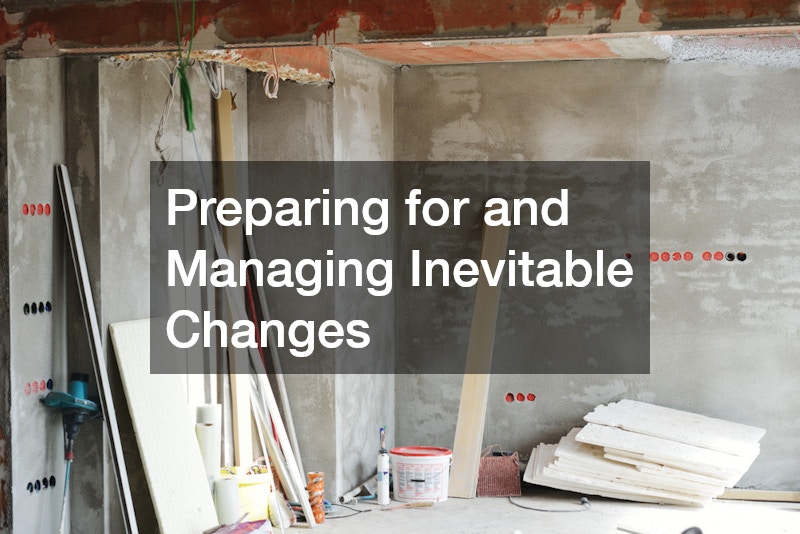
No renovation unfolds exactly as planned.
You may discover outdated wiring behind a wall. Materials may be discontinued. You might change your mind about a layout after seeing it framed in real life.
Change isn’t failure—it’s part of the process. The key is managing it responsibly.
Establish a formal change order system before work begins. Every modification should include:
- Written description of the change
- Cost adjustment (increase or decrease)
- Timeline impact
- Signatures from both parties
Avoid verbal agreements. Memory fades quickly during busy renovations.
When a change affects one trade, consider how it impacts others. Moving a wall affects electrical, plumbing, flooring, and painting schedules. Even small shifts can cascade.
Pause and assess the broader timeline before approving major changes. A day spent evaluating can save weeks of delay.
Transparency keeps relationships strong. Contractors appreciate decisive, documented adjustments rather than last-minute surprises.
Protecting Your Home and Belongings During Multi-Trade Work
When multiple crews rotate through your home, wear and tear multiplies.
Dust spreads. Tools shift. Materials stack up in unexpected places.
Protecting your home requires proactive planning.
Start by establishing clear site protection rules:
- Floor coverings in high-traffic areas
- Plastic barriers to contain dust
- Designated tool storage zones
- Daily cleanup expectations
Create specific pathways from entry points to work areas. Tape or temporary mats can help prevent scratches and stains.
If you’re living in the home during renovations, consider isolating a ”safe zone”—a dust-free area where daily life can continue with minimal disruption.
Material staging areas should remain consistent. Randomly relocating supplies increases confusion and risk of damage.
End each day with a brief walkthrough. Confirm debris is removed, tools are stored safely, and pathways remain clear. These small habits preserve both your property and your sanity.
Troubleshooting Common Coordination Failures

Even with planning, setbacks happen.
A contractor doesn’t show up. Another finishes late. Two trades blame each other for a measurement error.
When schedules slip, start by gathering facts. Confirm whether delays stem from weather, supply issues, inspection hold-ups, or internal scheduling problems.
Communicate quickly and calmly. Avoid emotional reactions. Ask for revised timelines in writing.
If trades blame each other, return to documentation. Refer to contracts, approved drawings, and your photo records. Clear records reduce subjective disputes.
When one contractor falls behind, evaluate whether others can shift forward or temporarily redirect to another area. Flexibility prevents a complete domino effect.
For urgent issues—like unexpected water leaks or electrical concerns—prioritize safety first. Pause related trades until the issue is resolved correctly. Rushing emergency fixes often leads to larger complications later.
Renovation coordination isn’t about eliminating problems. It’s about responding to them methodically.
Coordinating multiple contractors may feel daunting at first, but it becomes manageable when approached strategically.
A clear master timeline sets the foundation. Strong communication prevents confusion. Pre-project meetings align expectations. Overlapping schedules are handled intentionally. Quality checkpoints catch issues early. Payment milestones maintain leverage. Change orders keep adjustments organized. Site protection preserves your home. And thoughtful troubleshooting keeps momentum alive when challenges arise.
The effort you invest in coordination pays dividends in smoother workflows, reduced stress, and better craftsmanship.
Ultimately, renovations aren’t just construction projects—they’re deeply personal transformations of your living space. With organized execution and proactive management, you can guide multiple trades toward a shared goal: creating a home that functions beautifully, reflects your vision, and stands the test of time.