Key Takeaways
- Home design is shifting from purely aesthetic upgrades to a more strategic approach that prioritizes long-term functionality, efficiency, and adaptability.
- Smart home technology is becoming a standard feature in modern renovations, improving convenience, energy efficiency, security, and overall daily living experience.
- Flexible and multi-purpose spaces are increasingly essential as homes now serve multiple roles such as workspaces, fitness areas, and entertainment zones.
- Sustainability is a core driver of remodeling decisions, with eco-friendly materials and energy-efficient systems becoming mainstream expectations.
- Wellness-focused design is gaining momentum, with homeowners prioritizing natural light, air quality, comfort, and stress-reducing environments.
- Kitchens and bathrooms are evolving into high-value lifestyle spaces that blend modern technology, functionality, and comfort.
- Renovation planning is becoming more data-driven and organized, with digital tools improving project coordination, budgeting, and execution.
Home design is no longer just about aesthetics or following seasonal styles. It has evolved into a strategic balance of functionality, sustainability, technology, and long-term value creation. Today’s homeowners are thinking beyond surface-level upgrades and focusing more on how their spaces can adapt to changing lifestyles, rising energy costs, and evolving family needs. As a result, remodeling decisions are becoming more intentional, data-informed, and future-oriented.
The future of home design is shaped by several powerful forces: climate awareness, smart technology, flexible living arrangements, and wellness-centered environments. These influences are driving a new wave of remodeling trends that prioritize efficiency, comfort, and adaptability. Whether it is integrating automation systems or choosing eco-friendly materials, homeowners are now more focused on how their investments will perform over time rather than just how they look today.
This article explores the most important emerging home remodeling trends that are redefining modern living. From smart homes and sustainable materials to multifunctional spaces and wellness-inspired design, these trends highlight how homes are becoming more responsive to human needs. Understanding these shifts can help homeowners make smarter renovation decisions that align with both present comfort and future value.
What is Driving the Future of Home Remodeling?
The future of home remodeling is being shaped by a combination of technological innovation, environmental responsibility, and changing lifestyle patterns. Homeowners are no longer remodeling purely for style—they are making decisions based on long-term livability, energy efficiency, and adaptability. Economic pressures and housing market shifts are also influencing how people invest in their homes, encouraging upgrades that deliver measurable benefits over time.
One of the strongest drivers is the growing demand for personalization. People want homes that reflect their routines, work habits, and wellness goals. At the same time, advancements in construction materials and digital tools are making renovations more efficient and precise. Contractors now rely on data-driven planning and smart systems to streamline workflows, reduce waste, and improve outcomes. In many cases, you can use remodeling projects to modernize your living space while also aligning it with future lifestyle needs.
Another major factor is sustainability. Energy-efficient systems, renewable materials, and eco-conscious construction practices are no longer optional—they are becoming standard expectations. These combined forces are reshaping the foundation of home design, pushing the industry toward smarter, greener, and more adaptable living environments.
Key drivers include:
- Technology integration that improves convenience and efficiency
Smart home systems are making it easier to automate lighting, security, and climate control. - Environmental awareness and sustainable building practices
Homeowners are choosing materials and systems that reduce environmental impact. - Lifestyle shifts such as remote work and hybrid living
Homes now need to function as offices, gyms, and relaxation spaces simultaneously. - Rising property values and investment-focused renovations
Many homeowners are remodeling strategically to align with long-term financial goals.
How is Smart Home Technology Transforming Living Spaces?
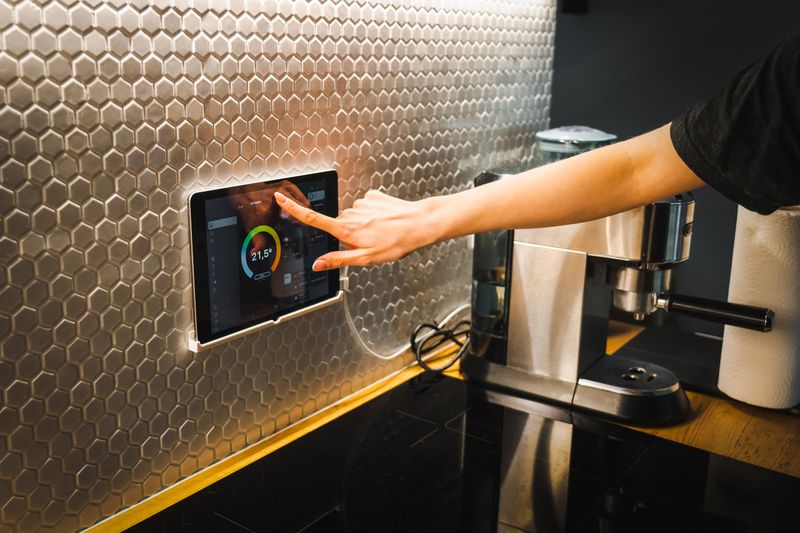
Smart home technology is one of the most influential forces shaping modern remodeling trends. What once seemed futuristic is now becoming standard in many homes. Automation systems, voice-controlled devices, and interconnected appliances are redefining how people interact with their living spaces. This shift is not just about convenience—it is about creating homes that respond intelligently to human behavior.
Homeowners are increasingly investing in systems that enhance security, reduce energy consumption, and improve daily efficiency. Smart thermostats, lighting systems, and appliances are now designed to learn user preferences and adjust automatically. This level of integration not only improves comfort but also helps reduce long-term operational costs. In many cases, smart upgrades also contribute to efforts to increase the home’s resale value, as buyers are actively seeking tech-enabled properties.
Common smart home remodeling features include:
- Automated lighting systems that adjust based on occupancy
These systems help reduce electricity use while improving ambiance. - Smart thermostats with learning capabilities
They optimize temperature settings based on daily routines and weather patterns. - Integrated home security systems
Modern security setups allow remote monitoring through mobile devices. - Voice-controlled assistants connected to household devices
These systems enable hands-free control of multiple home functions.
As smart technology continues to evolve, homes are becoming more intuitive, efficient, and responsive to user needs. This trend is expected to expand further as artificial intelligence becomes more integrated into everyday home systems.
Why are Flexible and Multi-Use Spaces Becoming Essential?
Modern homeowners are rethinking how spaces within the home are used. Instead of assigning a single function to each room, there is a growing preference for flexible, multi-purpose layouts. This trend has been accelerated by remote work, online learning, and lifestyle changes that require homes to serve multiple roles throughout the day.
A living room may now function as a workspace during the day and an entertainment hub at night. Guest rooms are often converted into home offices or fitness areas. Kitchens are being designed with open layouts that allow for both cooking and social interaction. The focus is on maximizing functionality without sacrificing comfort or style.
This shift requires thoughtful planning and efficient design solutions. Homeowners are increasingly working with professionals to ensure successful renovation management, especially when converting traditional layouts into adaptable environments. Proper planning helps ensure that structural changes, storage solutions, and design elements all work together seamlessly.
Examples of flexible design solutions:
- Sliding partitions or movable walls
These allow rooms to be reconfigured based on current needs. - Built-in furniture with hidden storage
This maximizes space efficiency in smaller homes. - Convertible rooms with dual-purpose layouts
For example, a guest room that doubles as a study or office. - Modular furniture systems
These can be rearranged easily to suit different activities.
Flexible design is no longer a luxury—it is becoming a necessity in modern homes where adaptability defines livability.
How is Sustainable Design Shaping Renovation Choices?
Sustainability is now a central focus in home remodeling. Homeowners are increasingly aware of the environmental impact of construction materials, energy usage, and waste generation. As a result, eco-friendly design is no longer a niche preference but a mainstream expectation.
Sustainable remodeling involves selecting materials that are renewable, recyclable, or locally sourced. It also includes integrating systems that reduce energy consumption and water usage. Solar panels, energy-efficient windows, and improved insulation are becoming standard components of modern renovation projects.
Beyond environmental benefits, sustainable upgrades also provide long-term financial advantages. Reduced utility bills and increased property appeal make these investments highly practical. In many cases, sustainability-focused upgrades help increase the home’s resale value, especially among environmentally conscious buyers.
Popular sustainable remodeling practices include:
- Installation of solar energy systems
These reduce dependence on traditional electricity sources. - Use of reclaimed or recycled building materials
This reduces waste and promotes environmental responsibility. - Water-saving fixtures and appliances
These help conserve water without compromising performance. - High-performance insulation and windows
These improve energy efficiency and indoor comfort.
Sustainable design is shaping the future of home remodeling by aligning environmental responsibility with financial and lifestyle benefits.
Why are Wellness-Focused Homes Gaining Popularity?
Homeowners are increasingly prioritizing wellness in their design choices. A home is no longer just a physical space—it is a place for relaxation, recovery, and mental well-being. This shift has led to the rise of wellness-focused design, where every element of the home contributes to physical and emotional health.
Natural light, air quality, noise reduction, and calming interior aesthetics are now key considerations in remodeling projects. Homeowners are also creating dedicated wellness spaces such as meditation rooms, home gyms, and spa-inspired bathrooms.
Wellness design is closely tied to how people experience daily life. A well-designed environment can reduce stress, improve sleep quality, and enhance productivity. It also supports healthier routines and lifestyle habits.
Key wellness design elements:
- Maximized natural lighting through large windows and skylights
Natural light improves mood and reduces energy consumption. - Indoor air quality systems and ventilation improvements
These reduce allergens and improve overall health. - Soundproofing for quieter, more peaceful interiors
This is especially important in urban environments. - Use of natural materials like wood and stone
These create calming and grounding environments.
Wellness-focused remodeling reflects a broader shift toward homes that support holistic well-being.
How are Kitchens and Bathrooms Evolving in Modern Homes?
Kitchens and bathrooms remain the most frequently renovated areas in any home, and they are evolving rapidly in both design and functionality. These spaces are no longer purely functional—they are becoming central lifestyle areas that combine technology, comfort, and aesthetics.
Kitchens are increasingly designed as social hubs where families gather, work, and entertain. Open-concept layouts, smart appliances, and hidden storage solutions are becoming standard features. Bathrooms, on the other hand, are transforming into spa-like retreats focused on relaxation and luxury.
These upgrades are often strategic investments, especially for homeowners aiming to increase the home’s resale value. Buyers tend to place significant importance on modern kitchens and bathrooms when evaluating properties.
Key kitchen and bathroom trends:
- Smart appliances with energy-efficient features
These improve convenience and reduce utility costs. - Minimalist cabinetry with hidden storage systems
This creates a clean and organized appearance. - Spa-inspired bathroom features like rainfall showers and soaking tubs
These enhance relaxation and comfort. - Durable and sustainable countertop materials
Quartz and recycled materials are becoming popular choices.
These evolving spaces reflect the growing importance of combining practicality with lifestyle enhancement.
What Role Does Design Aesthetics Play in Modern Remodeling?
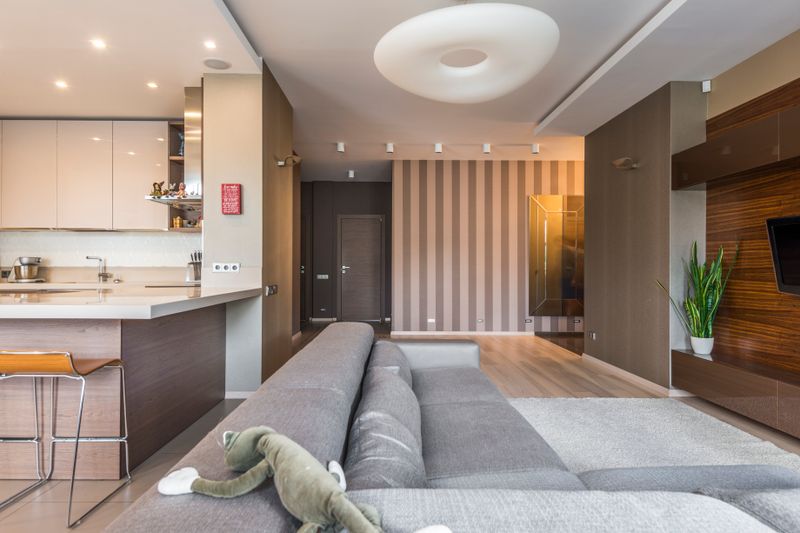
Aesthetics continue to play a crucial role in home design, but the approach has shifted from purely decorative choices to intentional, functional beauty. Homeowners are now seeking designs that are timeless, adaptable, and aligned with their personal identity.
Minimalist design, natural color palettes, and clean architectural lines are dominating modern remodeling trends. At the same time, there is a growing appreciation for personalized design elements that reflect individuality and cultural influence.
Aesthetic decisions are now integrated with functionality. Lighting, furniture placement, and material selection are all considered together to create cohesive environments. This approach ensures that homes not only look good but also function efficiently.
Design considerations include:
- Neutral and earthy color schemes for long-term appeal
These create calm and versatile interiors. - Open layouts that enhance visual flow
These make spaces feel larger and more connected. - Statement architectural features like accent walls or exposed beams
These add character without overwhelming the design. - Balanced use of textures and materials
This creates depth and visual interest.
Aesthetic design is now about creating harmony between beauty and usability.
How Will Future Renovations Be Managed?
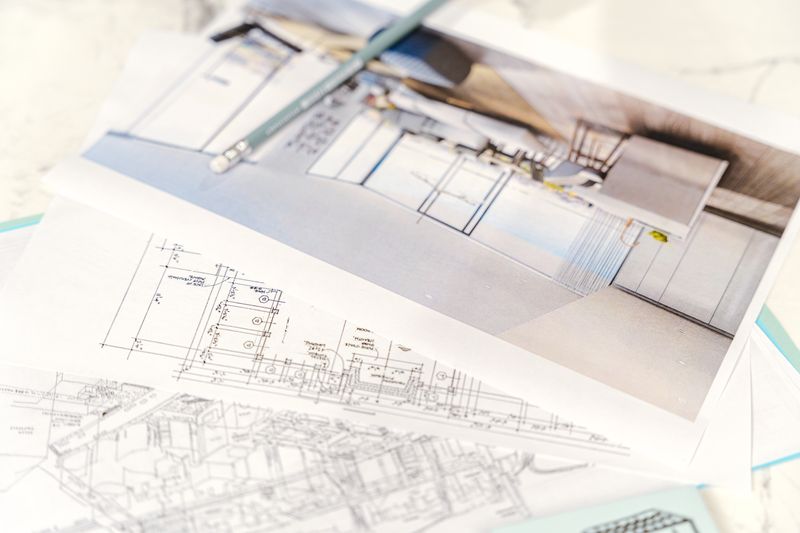
The future of renovation is becoming increasingly structured, data-driven, and technology-assisted. Homeowners and contractors are relying on digital tools to plan, monitor, and execute remodeling projects with greater precision. This reduces delays, improves cost efficiency, and enhances overall project quality.
Project management software, 3D modeling, and virtual reality design tools are becoming common in the industry. These tools allow homeowners to visualize changes before construction begins, minimizing uncertainty and improving decision-making.
Efficient planning also ensures smoother coordination between different contractors and suppliers. This level of organization is essential for avoiding delays and cost overruns, especially in large-scale renovations.
Key improvements in renovation management:
- Digital project tracking systems for real-time updates
These improve communication and transparency. - 3D visualization tools for design accuracy
Homeowners can preview layouts before construction. - Automated scheduling systems for contractors
This reduces delays and improves workflow coordination. - Integrated budgeting tools for cost control
These help prevent overspending.
These advancements are reshaping how renovation projects are executed, making them more predictable and efficient.
Conclusion: Designing Homes for the Future
The future of home design is defined by adaptability, intelligence, and purpose. Homes are no longer static structures—they are evolving environments that respond to the needs of their occupants. From smart technology and sustainable materials to flexible layouts and wellness-focused spaces, remodeling trends are shaping homes that are more efficient, comfortable, and meaningful.
As homeowners continue to invest in upgrades, the focus is shifting toward long-term value rather than short-term appearance. Every design decision is becoming part of a larger strategy to improve livability and performance. The homes of the future will not only reflect personal style but also support healthier, more sustainable, and more connected ways of living.